
Sometimes, PowerPoint won’t let you edit a presentation and opens it in Protected View, Read-Only, or Restricted Editing mode. This usually happens when the file comes from email, the internet, or when someone shared it with view-only permissions.
In this guide, you’ll learn how to enable editing in PowerPoint quickly, plus how to fix common issues if the Enable Editing button is missing.
Why Is Editing Disabled in PowerPoint?
If you are having problems with a locked PowerPoint presentation, numerous variables may be at play. Let’s get into the most typical reasons before understanding how to enable editing in PowerPoint:
- Protected View: A security shield for files from the internet or email, designed to block potentially malicious content until you trust the source.
- Read-Only Mode: Occurs if the file is manually set to “Read-Only,” is currently being edited by another user on a shared network, or is stored in a restricted folder.
- Marked as Final: A setting used by authors to signal a “read-only” state, which disables all typing, editing, and proofing tools to prevent accidental changes.
- Restricted Permissions: Happens when a file is password-protected or your user account hasn’t been granted “Edit” access by the file owner.
- System/Template Locks: You may be trying to edit a “Locked” layer in the Slide Master, or the file is already open in another window or background process.
How to Enable Edit Mode in PowerPoint – 4 Fixes
Method 1: Click “Enable Editing” in Protected View (Fastest Fix)
“Protected View” is a PowerPoint safety feature that opens files in read-only mode, protecting your computer from potentially hazardous content. This is the most common situation.
- Open your PowerPoint presentation.
- Locate the yellow banner towards the top of the screen.
- Click the banner’s “Enable Editing” button.

Method 2: Turn Off Read-Only Mode in PowerPoint
If the file opens in Read-Only mode, take the following steps:
- Click the File button in the upper left corner.
- Select Information.
- Locate the “Protect Presentation” button.
- Click it, then select “Mark as Final” or “Remove Any Restrictions”.
- Remove password protection.
For Mac:
- Under Sharing & Permissions, ensure you have Read & Write
- Right-click the file → Get Info
Method 3: Disable Password Protection
To edit password-protected files, you need the password:
- Open the file and type the password.
- Go to “File” > “Information”.
- Select “Protect Presentation“and then “Encrypt With Password”.
- To remove the password, delete it and then click “OK”.
- Check “File Permissions”.

Can’t edit your presentation? Create a fresh version with an AI PowerPoint maker in seconds.
Method 4: Check for Permission
Finally, do the following to determine whether you have the requisite permissions to edit the file:
- Right-click the file and choose “Properties”.
- Go to the “Security” tab to get a list of users and their permissions.
- If you have the necessary permissions, change the settings by clicking “Edit”. If not, ask your IT department for assistance.


To summarize, negotiating the nuances of locked PowerPoint presentations can be difficult. However, with the appropriate techniques, you can quickly enable editing and recover control of your slides. This article has supplied you with vital knowledge of how to enable editing in PowerPoint.
So, it’s time for you to dive into your PPT files and start implementing these procedures right away. Whether you are preparing for a crucial business presentation or simply updating your family memories, don’t allow a locked file to get in your way—unlock your creativity and make those slides shine!
Method 5: Disable Protected View (Advanced Fix)
If your PowerPoint files keep opening in Protected View, you can turn this setting off from the Trust Center. This is useful when you frequently work with files from trusted sources.
Follow these steps:
- Open PowerPoint and click on the File tab in the top-left corner.
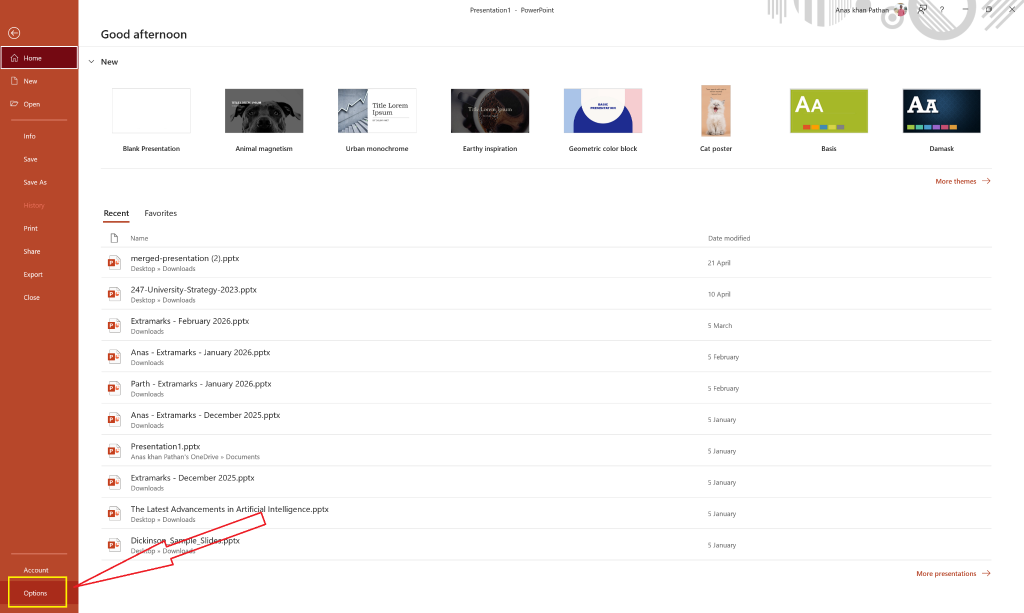
- Scroll down and select Options to open the PowerPoint Options window.
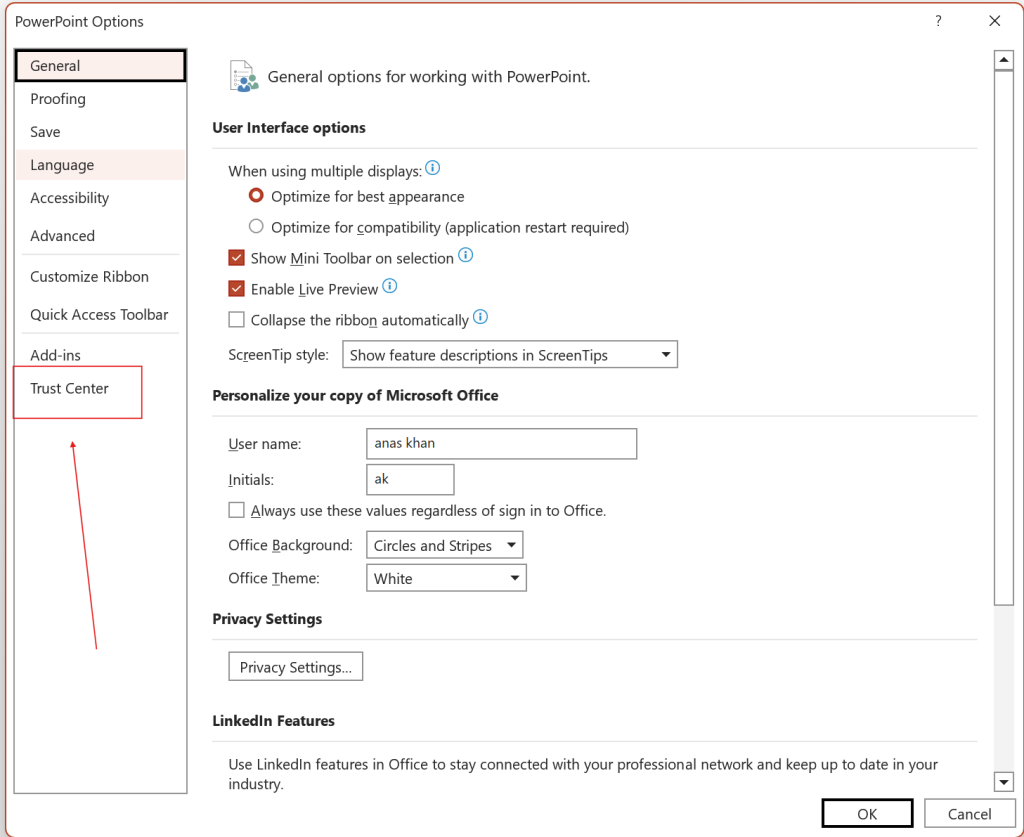
- In the left sidebar, click on Trust Center.
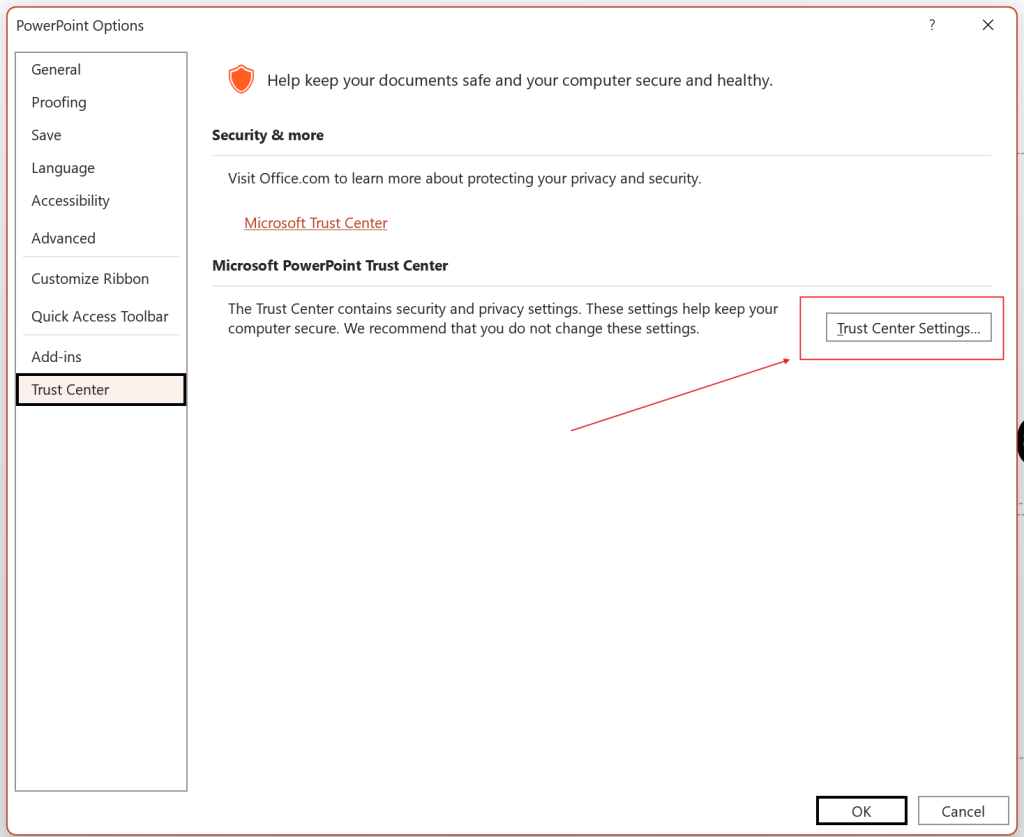
- Then, click on Trust Center Settings.
- In the new dialog box, go to the Protected View tab.
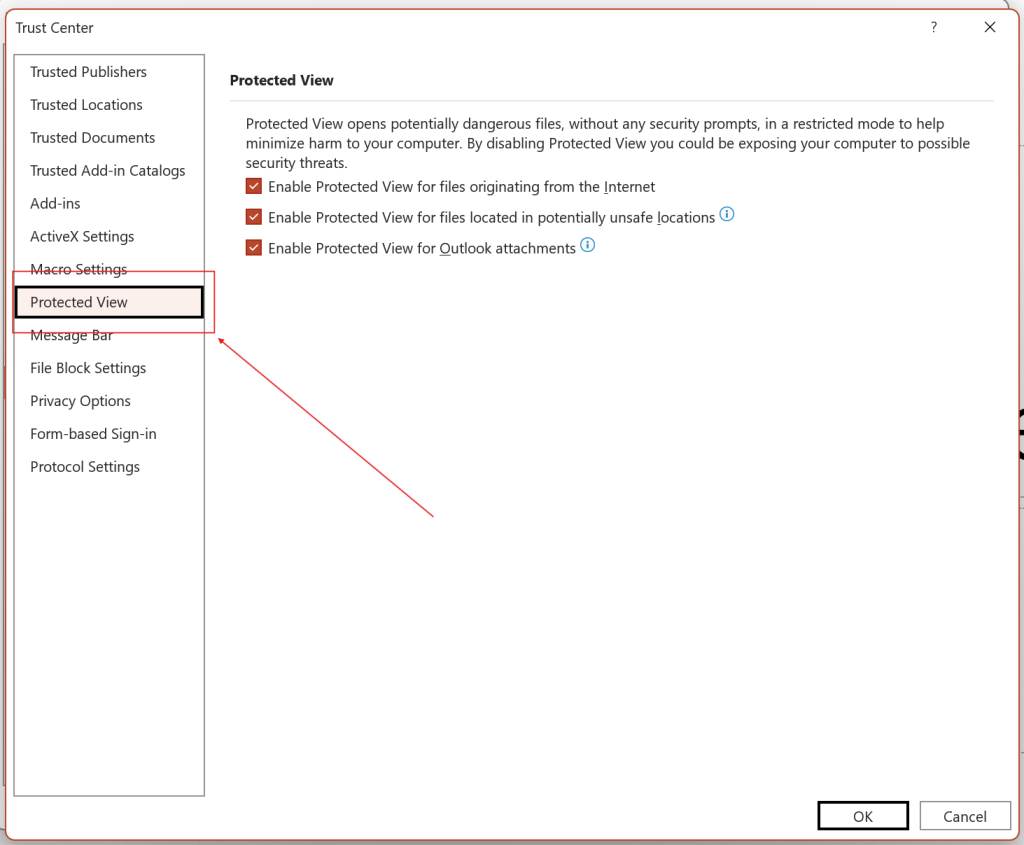
- You will see multiple options related to Protected View:
- Files originating from the internet
- Files located in potentially unsafe locations
- Outlook attachments
- Uncheck the boxes for the types of files you want to allow editing for.
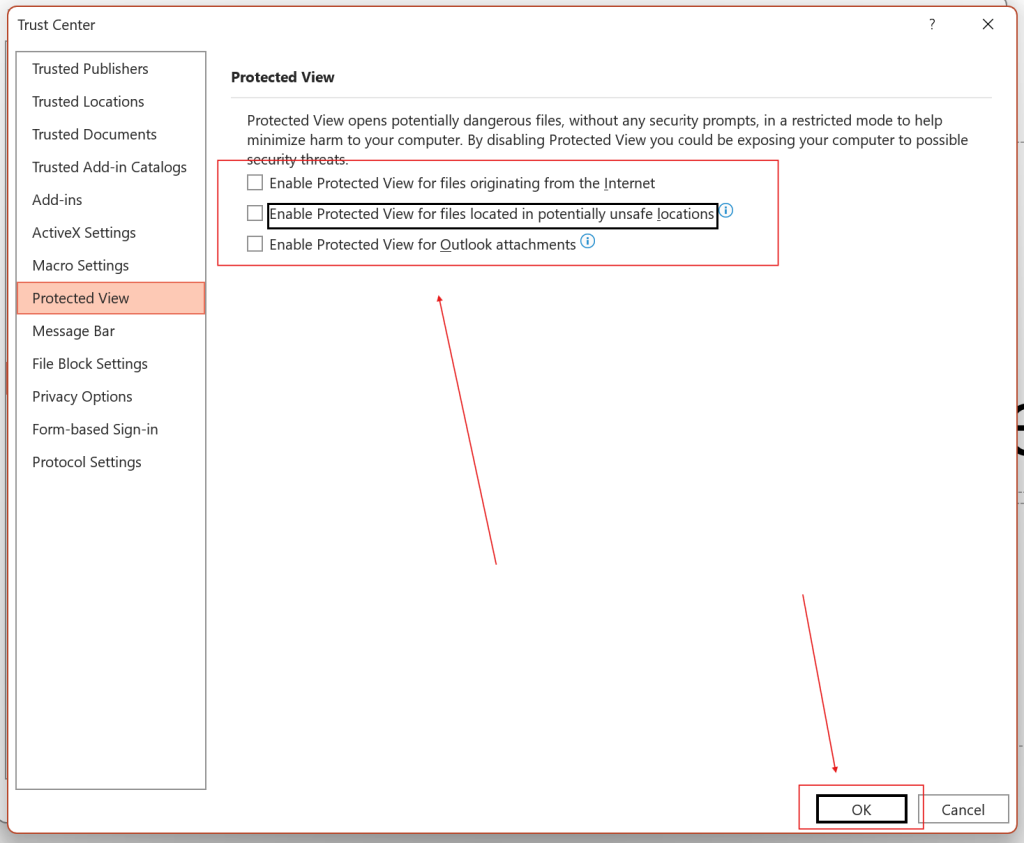
- Click OK to save your changes.
Once disabled, PowerPoint will no longer open these files in Protected View, allowing you to edit them directly without needing to click “Enable Editing.”
Note: Only disable Protected View if you trust the source of your files, as this feature is designed to protect your system from potentially harmful content.
<SlidesAICTAPowerPoint />
Troubleshooting: “Enable Editing” Button Is Missing (Fixes)
If you don’t see the “Enable Editing” button, try these solutions:
- Fix 1: You’re already in edit mode
Try clicking inside a text box and typing. - Fix 2: The file is shared as view-only
You need edit permission from the owner. - Fix 3: The file is password-protected
PowerPoint may require a password to allow editing. - Fix 4: Your file is inside a ZIP folder
Extract the file first, then open it again. - Fix 5: The file is in an older format (.ppt)
Save it as .pptx and try again. - Fix 6: PowerPoint is not activated
Unlicensed PowerPoint versions may restrict editing features.
Still unable to edit your PowerPoint file? Generate a new presentation in minutes with an SlidesAI’s AI Presentation Generator.
Frequently Asked Questions Related to Enabling Editing in PowerPoint
1. Why does PowerPoint open files in Protected View?
PowerPoint uses Protected View as a security feature to prevent potentially harmful files (from the internet, email, or unknown sources) from making changes to your system.
2. Is it safe to click “Enable Editing” in PowerPoint?
Yes, but only if you trust the file source. Enabling editing removes restrictions and allows the file to run fully, which could be risky for unknown files.
3. Why is the “Enable Editing” button not showing?
This can happen if the file is already editable, shared as view-only, password-protected, or opened from a restricted location.
4. How do I enable editing in a read-only PowerPoint file?
Go to File → Info → Protect Presentation, and remove restrictions like “Mark as Final” or read-only settings.
5. Can I edit a password-protected PowerPoint file?
Yes, but only if you have the correct password. Without it, editing access cannot be unlocked.
6. How do I permanently stop PowerPoint from opening files in Protected View?
You can disable Protected View from File → Options → Trust Center → Trust Center Settings → Protected View and uncheck the relevant options.
7. Why can’t I edit a shared PowerPoint file?
If the file is shared with view-only permissions, you’ll need to request edit access from the owner.
8. Does this method work on Mac as well?
On Mac, you can enable editing by clicking the “Enable Editing” button or adjusting file permissions under Get Info → Sharing & Permissions.
9. Can I re-lock a PowerPoint file after editing it?
Yes, you can reapply restrictions by using options like “Mark as Final” or adding password protection under Protect Presentation.
10. What should I do if my PowerPoint file is still locked after trying all methods?
Check if the file is open in another program, stored in a restricted folder, or if your PowerPoint version is not activated.
Related Posts
-
Do you mostly use PowerPoint for your presentations? It’s a favourite for many who work…
-

Giving a good presentation can really help you stand out in business meetings. After all,…
-

Ever looked at your PowerPoint presentation and thought it lacked a bit of color pizzazz?…
-

Ever added an image to your PowerPoint presentation only to realize it’s facing the wrong…
-

{ “@context”: “https://schema.org”, “@type”: “FAQPage”, “mainEntity”: [{ “@type”: “Question”, “name”: “Where is find and replace…
Leave a Reply
You must be logged in to post a comment.